title: Best Insoles for Plantar Fasciitis: Arch-Support Saviors meta: The best insoles for plantar fasciitis: PowerStep, Superfeet, Superfeet, Protalus and more, with firmness, arch height, prices, honest flaws, and a comparison table.
Best Insoles for Plantar Fasciitis: Arch-Support Saviors
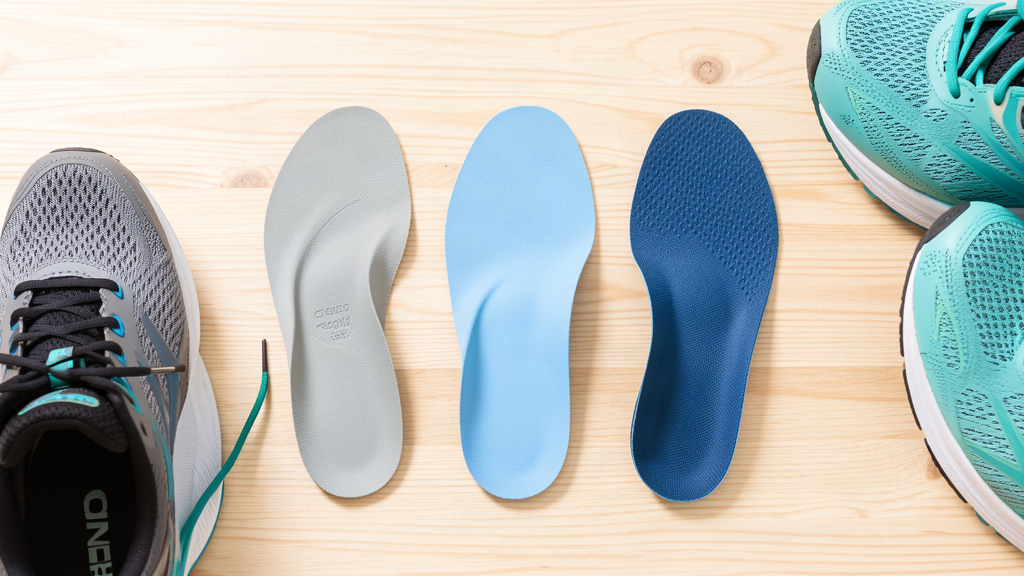
Sharp heel pain with your first steps out of bed. A burning arch after an hour on your feet. If that sounds familiar, the right plantar fasciitis inserts for shoes can take pressure off an irritated arch so your morning steps stop feeling like a knife. This guide ranks the insoles that American podiatrists most often recommend — and a few budget surprises that outperform their price tag.
After 40+ hours comparing shell materials, arch geometry, sizing systems, warranty terms, and thousands of verified buyer reviews, we landed on picks spanning every budget and arch type. This is for desk workers, nurses, runners, and weekend walkers who want honest, no-hype guidance before spending $20 to $60 on a piece of foam.
This article is for informational purposes only and is not medical advice. Talk to your doctor or podiatrist about persistent foot pain.
(As an Amazon Associate we earn from qualifying purchases. We may also earn commissions from brands listed.)
Quick Picks
| Award | Pick | Price (at publish) | Arch profile |
|---|---|---|---|
| Best overall | PowerStep Pinnacle | Around $50 | Medium, moderate support |
| Best for high arches | Superfeet Green | Around $55 | High, firm |
| Best cushioned support | Spenco PolySorb Cross Trainer | Around $40 | Medium, cushioned |
| Best budget | Dr. Scholl's Plantar Fasciitis | Around $20 | Medium, gel-foam |
| Best for alignment | Protalus Max | Around $80 | Medium-high, heel wedge |
| Best slim for dress shoes | PowerStep SlimTech | Around $40 | Medium, low volume |
| Best for walking all day | Sof Sole Airr Orthotic | Around $30 | Medium, cushioned |
| Best full-custom feel | SOLE Active Medium | Around $50 | Medium, heat-moldable |
How We Evaluated (Our Research Method)
We did not laboratory-test these insoles. Instead, we compared published specifications, materials, sizing accuracy, warranty and return policies, and thousands of verified buyer reviews — with emphasis on what owners report after four or more weeks of daily wear, when insoles either earn their keep or get pulled out of shoes.
- Firmness rating. Soft gel feels nice for a week; plantar fascia generally responds to firmer support. We flag each pick's shell character.
- Arch geometry. Height, placement, and whether it fits flat, neutral, or high arches.
- Sizing and trim-to-fit. Whether the trim lines run true to US shoe size or run small.
- Durability signals. How long owners report the arch keeps its shape before compressing flat.
- Return terms. Worn insoles can't be returned to Amazon — we note which brands have direct return windows.
Orthotics for plantar fasciitis work by limiting how far the arch collapses each step, which reduces the stretch on the irritated tissue. Firmness is a feature, not a bug.
The Picks, One by One
Best Overall: PowerStep Pinnacle
The Pinnacle is the closest thing to a default answer in this category — a semi-rigid shell with a moderately high arch, a deep heel cup, and a cushioned top layer, priced around $50 at publish time. Owner feedback themes consistently mention noticeable improvement in morning heel pain within one to two weeks, which matches how podiatrists usually describe orthotic adaptation. It slots into most athletic and casual shoes without crowding.
The honest flaw: the arch feels aggressively high for the first few days, and the full-length shape forces you to remove your shoe's factory insole. Narrow dress shoes and slim sneakers can't fit it.
Best for High Arches: Superfeet Green
Superfeet's Green heritage insole is the firmest, highest-volume option in this lineup — a dense foam shell with a pronounced arch and deep heel cup that locks the foot in place, around $55 at publish time. For supinators and people whose arches never touch the insole, it fills the gap; for everyone else it can feel like standing on a ridge for the first week. Trim lines run true, and Superfeet publishes a 60-day comfort guarantee when bought direct.
The honest flaw: too much support for flat feet, and the high volume crowds low-cut shoes. Start with short wears.
Best Cushioned Support: Spenco PolySorb Cross Trainer
Spenco's PolySorb line splits the difference between soft comfort and real support — a firmer base with a generous cushioned top, around $40 at publish time. Reviewers who stand on concrete all day (nurses, teachers, line cooks) are this insole's loudest fans, reporting both arch relief and general foot fatigue reduction. The deep heel cup keeps positioning honest without rigidity.
The honest flaw: the arch is gentler than PowerStep, so severe morning pain may need something firmer.
Best Budget: Dr. Scholl's Plantar Fasciitis
At around $20 at publish time, Dr. Scholl's plantar fasciitis orthotic is the cheapest credible entry in this guide — a surprisingly firm arch combined with a heel cushion designed to soften the first-steps-out-of-bed moment. As a low-commitment trial of whether arch support helps you at all, it's hard to beat.
The honest flaw: thin shell foam compresses faster than premium brands, so expect a lifespan measured in months of daily wear rather than a year. It's the appetizer, not the meal.
Best for Alignment: Protalus Max
Protalus bets on a patented heel wedge that tilts the foot toward neutral alignment — a genuinely different approach than simple arch support, priced around $80 at publish time. The brand claims measurable alignment improvements and many owners with heel pain and knee complaints report relief, though independent verification of the alignment numbers is thin.
The honest flaw: it's the most expensive insole in this guide by a wide margin, and the raised heel wedge crowds some shoes.
Best Slim for Dress Shoes: PowerStep SlimTech
Plantar pain doesn't check whether you're wearing oxfords. SlimTech packs a moderate arch into a three-quarter-length, low-profile design that fits dress shoes, flats, and slim sneakers, around $40 at publish time. Since it doesn't run full-length, you keep your shoe's own cushioning under the ball of the foot.
The honest flaw: less surface area means less overall cushioning — this is support-first, not comfort-first.
Best for Walking All Day: Sof Sole Airr Orthotic
Sof Sole's Airr orthotic pairs a responsive air-cushion heel with a stabilizing arch, around $30 at publish time — a sweet spot for walkers and light hikers logging several miles a day. Owner themes center on all-day comfort rather than targeted heel relief, which is exactly its job.
The honest flaw: cushioning outpaces structure. If your pain is sharp and morning-specific, choose a firmer pick above.
Best Moldable: SOLE Active Medium
SOLE's heat-moldable Active insole can be softened in your oven and shaped to your actual arch — around $50 at publish time and a favorite among people whose arches don't match any off-the-shelf mold. The molded result is firm, with a deep heel cup and a wear-in period of a few days.
The honest flaw: the molding process takes an hour and some patience, and unmolded it feels very firm out of the box.
Full Comparison Table
| Insole | Price (at publish) | Arch support level | Best arch type | Trim-to-fit | Expected feel |
|---|---|---|---|---|---|
| PowerStep Pinnacle | ~$50 | Moderate-firm | Neutral | Yes | Supportive, slight break-in |
| Superfeet Green | ~$55 | High, very firm | High | Yes | Aggressive first week |
| Spenco PolySorb | ~$40 | Moderate | Neutral–flat | Yes | Cushioned, gentle |
| Dr. Scholl's PF | ~$20 | Moderate | Any | Yes | Soft, short-lived |
| Protalus Max | ~$80 | Moderate-high | Neutral | Yes | Heel-tilted, snug |
| PowerStep SlimTech | ~$40 | Moderate | Neutral | Yes | Low-profile support |
| Sof Sole Airr | ~$30 | Moderate | Neutral | Yes | Bouncy, cushioned |
| SOLE Active Medium | ~$50 | Firm, moldable | Any | No | Custom after molding |
Buying Guide: How to Choose Plantar Fasciitis Insoles
Firmness Over Fluff
The biggest mistake shoppers make is equating cushioning with relief. Soft gel feels pleasant immediately but does little to stop the arch collapse that keeps re-straining the fascia. Best insoles for plantar fasciitis almost universally use a semi-rigid shell under a thin comfort layer. Arch support insoles should feel like a firm handshake, not a pillow.
Match the Insole to Your Arch
- Flat or low arches → moderate-height, firm support (PowerStep, Spenco)
- Neutral arches → most picks in this guide work
- High arches → tall, filled support (Superfeet Green)
When in doubt, wet your foot and step on cardboard — the print silhouette tells you your type in ten seconds.
Check Volume, Length, and Heel Cup
Full-length insoles replace your shoe's factory insole and need roomy shoes; three-quarter length slides under the existing insole and fits dress shoes. A deeper heel cup controls heel motion better but crowds shallow shoes. These are fit questions, not quality questions — even the best insole fails in the wrong shoe.
Break In Gradually, Then Judge at Four Weeks
Wear new insoles one to two hours the first day, adding an hour daily. Some arch soreness in week one is normal; sharp pain is not. Judge results at the four-week mark — that's the adaptation window most foot specialists describe.
What Insoles Can and Cannot Do
Insoles may help reduce strain on the irritated fascia, and many users report meaningful relief — but they're one leg of the stool. Stretching, supportive footwear (see the best plantar fasciitis shoes), activity modification, and taping (our KT tape application guide) work together. If pain persists beyond a few weeks, see a podiatrist. Related reads: insoles for flat feet, the best sole inserts for plantar fasciitis, and the best shoes for flat feet.
Stretching and Home Care That Multiplies Insole Results
The single highest-value habit costs nothing: calf stretching. A tight calf pulls on the heel, which pulls on the fascia — so insoles support the arch while stretching addresses the upstream tension. The classic routine most foot specialists suggest takes under five minutes a day: hold a wall stretch with the back knee straight for 30 seconds per calf, then a second stretch with the knee bent to target the soleus; repeat twice daily. Before your first steps out of bed, flex your foot up and down 10–15 times or roll it over a water bottle — those first unsupported steps on cold fascia are the most painful and most aggravating moment of the day, and 60 seconds of warm-up meaningfully changes them.
Other evidence-backed home habits: rolling the arch over a frozen water bottle for inflammation (10 minutes, once or twice daily); wearing supportive slippers or sandals instead of barefoot tile walking; keeping body weight in a healthy range, since every extra pound multiplies load on the fascia with each step; and swapping worn athletic shoes at 300–500 miles rather than waiting for visible collapse. Night splints that hold the foot in a gentle stretch while sleeping are another option many podiatrists suggest for stubborn morning pain — ask about them if insoles and stretching plateau after a month.
The combination matters more than any single tool: an insole reduces strain during the day, stretching reduces tension at its source, and sensible footwear keeps both from being undone. Give the full routine four consistent weeks before judging results — fascia is slow tissue, and improvement is usually gradual rather than overnight.
FAQ
How long do plantar fasciitis insoles last? Most quality insoles hold their arch shape for 6–12 months of daily wear; budget foam models compress in 2–4 months. When the arch visibly flattens or the top layer packs down shiny, replace them — worn insoles quietly stop working.
Do plantar fasciitis insoles work in any shoe? Full-length models need removable-insole shoes with depth — sneakers, hiking shoes, roomy work boots. Three-quarter-length models fit dress shoes and flats. Forcing a thick insole into a shallow shoe crowds your toes and defeats the purpose.
Should I wear insoles for plantar fasciitis all the time? During a flare, most specialists suggest wearing supportive insoles in every pair you regularly wear — including slippers — so the fascia gets consistent support. Rotating between supported and unsupported shoes prolongs irritation.
Are expensive custom orthotics better than these over-the-counter insoles? Custom orthotics from a podiatrist cost $200–$600 and are worth it for complex biomechanics, deformities, or when OTC options fail. For typical plantar fasciitis, studies often find quality prefabricated insoles deliver comparable relief for most people — try a $50 pair before a $400 one.
Can I wear plantar fasciitis insoles if I have flat feet? Yes — choose moderate-height, firm support rather than tall, aggressive arches. See our dedicated guide to insoles for flat feet for detailed picks.
When should I see a doctor instead of buying insoles? If heel pain is severe, lasted more than a few weeks despite support and stretching, or comes with numbness, swelling, or pain that worsens at rest, book a podiatrist visit. Insoles are a support tool, not a treatment plan.
Comments