Best Shoes for Flat Feet: All-Day Comfort
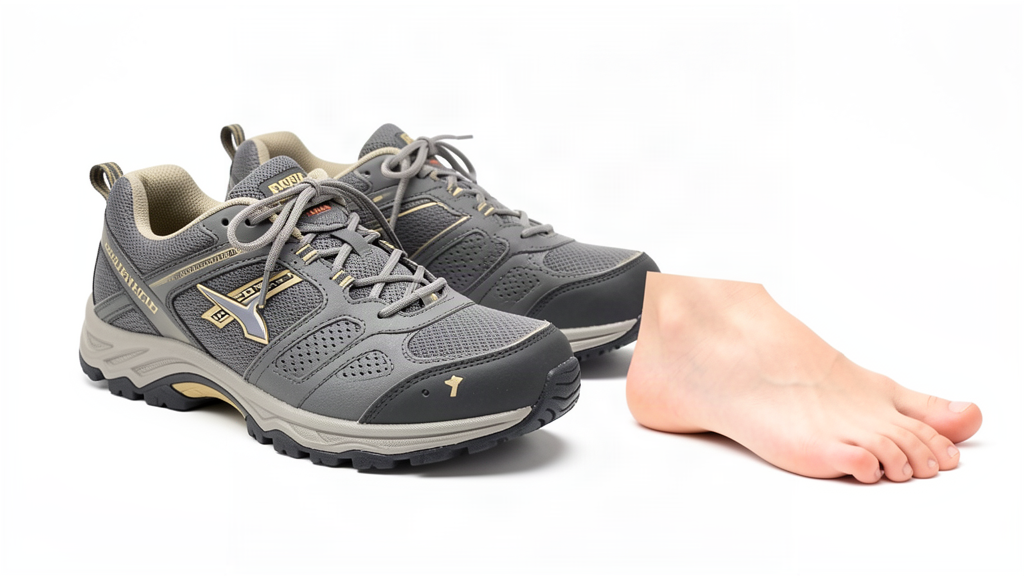
Flat feet are the quiet majority — roughly a quarter of adults have arches that collapse or never formed, and most don't know it until their feet, knees, or back start filing complaints. The shoe question follows immediately: what do fallen arches actually need?
The answer is more specific than "arch support," and it's good news: the right shoe category does most of the work, insoles fine-tune the rest, and the best shoes for flat feet aren't a secret list — they're a set of features you can check for in any store. This guide covers the features that matter, the top picks by category, and the mistakes flat-footed shoppers make, based on shoe specifications and thousands of verified owner reviews.
(As an Amazon Associate we earn from qualifying purchases. We may also earn commissions from brands listed.)
Quick Picks
| Award | Pick profile | Price tier |
|---|---|---|
| 🏆 Best Everyday | Motion-control/stability walking shoe | $90–130 |
| 💰 Best Budget | Supportive walking shoe + OTC orthotic | $60–90 + $15 |
| 🏃 Best Running | Stability running shoe (New Balance 990-class) | $130–160 |
| 👔 Best Work/Dress | Structured dress shoe with removable insole | $100–150 |
| 🩴 Best Recovery | Arch-support sandal | $60–100 |
What Flat Feet Actually Need in a Shoe
A fallen arch means the foot rolls inward (overpronates) under load — the ankle tips, the knee tracks inward, and the shock that a healthy arch would absorb gets passed up the chain. A flat-foot shoe has three jobs:
- Resist the inward roll — a firm midsole and structured heel counter, not a soft blob
- Support the midfoot — enough structure that the arch doesn't collapse into the shoe's midsole
- Cushion the landing — because the flat foot's own shock absorption is weaker
The shoe features that deliver those, in order of importance:
| Feature | What to check | Why |
|---|---|---|
| Firm heel counter | Pinch the heel — it should resist, not fold | Controls the inward roll at strike |
| Structured midsole | Twist test — resists folding like a pretzel | Holds the arch under load |
| Wide, stable base | Wider platform under the midfoot | Geometry beats cushioning |
| Removable insole | Pulls out for an orthotic | Lets insoles fine-tune support |
| Straight-last shape | Straighter medial edge | Matches the flat foot's shape |
| Moderate heel drop | 8–12 mm typical sweet spot | Avoids extreme drops in either direction |
Watch out for: the softness trap. Flat feet in ultra-cushioned "cloud" shoes feel lovely in the store and ache by hour three — the arch collapses into the foam with every step. Soft + structured is the recipe; soft alone is the trap.
The Picks by Category
Everyday Walking: Motion-Control and Stability Shoes
The workhorse category for flat feet — shoes built specifically to control pronation. Motion-control is the firmer, flatter sibling of stability; both hold a flat foot straighter than neutral shoes do.
Owner pattern: the recurring theme in reviews from flat-footed owners is "my knees stopped aching by week two" — the whole-chain effect is the most-noticed benefit, more than the feet themselves.
Running: Stability Trainers
Flat-footed runners need the same pronation control plus real shock absorption. The stability-runner category (New Balance's classic motion-control lines, Brooks' support models, ASICS' structured trainers) has served flat arches for decades. Full running-shoe detail for arch-pain runners lives in our plantar fasciitis shoes guide.
Pro tip: flat-footed runners should replace shoes by mileage (300–500 miles), not by looks — the midsole's support dies before the shoe looks worn.
Work and Dress: Structured With Removable Insoles
The hard category — dress shoes trend soft and shapeless. The winners share two traits: a firm heel counter that survives the "dress" styling, and a removable insole that accepts an orthotic. Pair with the low-profile 3/4 orthotics from our sole inserts guide.
Budget Route: Good Walking Shoe + $15 Orthotic
The honest budget path: a well-structured $60–80 walking shoe plus a firm drugstore orthotic delivers 90% of the $140 motion-control experience. The structure lives in the orthotic; the shoe provides the stable platform.
Sandals: The Arch-Support Category
Flat feet can't live in flat flip-flops — summer's classic re-flare trigger. Arch-support sandals (the structured-sport families) put a real arch under a flat foot and are the flat-footed owner's most-repeated summer upgrade. See the summer picks in our plantar fasciitis shoes guide.
The Insole Layer: Where Flat Feet Get Fine-Tuned
Shoes set the platform; insoles tune the arch. For most flat feet, an OTC orthotic (our ranked picks) inside a structured shoe outperforms any single "arch-support shoe" claim. The pairing logic: moderate shoe structure + firmer insole = customizable support that adapts as your feet strengthen.
Common Flat-Foot Shopping Mistakes
- Buying soft, minimal shoes — the "walking on clouds" trap described above
- Assuming "arch support" marketing means support — check the heel counter and twist test yourself
- Skipping the insole layer — shoes alone leave the last 20% of arch support undone
- Wearing the same worn shoes forever — support fades invisibly; date your shoes
- Ignoring the knees and back — flat-foot shoe problems often announce themselves elsewhere first
- Barefoot-at-home all day — hard floors plus flat feet is the quiet daily aggravator; supportive house shoes fix it (our plantar house-shoe picks cover it)
The Rotation Reality
One shoe is a single point of failure — flat-footed owners report the best results from a small rotation: the structured everyday pair for most days, the stability trainer for walks and workouts, and the supportive house slipper for the hours at home. Rotation also extends each pair's midsole life, because cushioning materials recover their shape between wears. Two pairs worn on alternating days outlast two pairs worn in sequence.
The Kids' Question
Children's feet are supposed to be flat — arches develop through the first decade, and toddler "flat feet" are normal architecture. The professional-conversation triggers for kids are different from adults: pain, fatigue complaints, awkward gait, or one foot visibly different from the other. Otherwise, sturdy play shoes and barefoot exploration time build the arch's muscles exactly as designed.
When Flat Feet Need a Professional
Flat feet themselves aren't a disease — most never need anything but good shoes. See a professional if:
- Pain is persistent, worsening, or one-sided
- The arch collapsed recently (adult-acquired flatfoot is a fixable-but-time-sensitive tendon problem)
- Numbness, tingling, or swelling appear
- The foot's shape is changing visibly
That last point matters: a new, collapsing arch in adulthood isn't "just flat feet" — it deserves a podiatrist's evaluation promptly. This article is general information, not medical advice.
FAQ
What shoes are best for flat feet?
Shoes with firm heel counters, structured midsoles that resist twisting, wide stable bases, and removable insoles — found in motion-control/stability walking shoes and stability runners. Soft "cloud" shoes feel good in the store and under-support flat arches all day.
Do flat feet need arch support insoles?
Most flat feet benefit: a firm orthotic inside a structured shoe holds the arch in a position the shoe alone can't reach. The pairing (structured shoe + firm insole) outperforms either alone — see our flat-feet insoles guide.
Are memory foam shoes good for flat feet?
Only when the memory foam sits on a structured midsole. Memory foam alone compresses flat under load — the arch collapses into it — which is why "cloud comfort" shoes often leave flat feet aching by mid-day. Test the shoe's twist and heel counter, not just the cushion.
Can flat feet wear minimalist/barefoot shoes?
Gradually and selectively, some can — the transition demands slow adaptation and strong foot musculature. For all-day standing or existing foot pain, structured shoes remain the safer default. This is a "maybe later," not a starting point.
What's the difference between motion control and stability shoes?
Both guide a flat foot's inward roll; motion-control shoes are firmer, flatter, and built for the most pronounced overpronation, while stability shoes are the slightly softer, more versatile middle. Flat feet with aching knees often prefer motion control; mild flattening does fine with stability.
Do flat feet get worse with age?
The ligaments and tendons holding the arch do loosen over decades, and adult-acquired flatfoot is a real (treatable) condition — one reason a newly flattened arch deserves a doctor's visit promptly. Good shoes and support from earlier decades make age-related flattening slower and quieter.
Comments