Best Calf Massagers: Recovery for Runners & Walkers
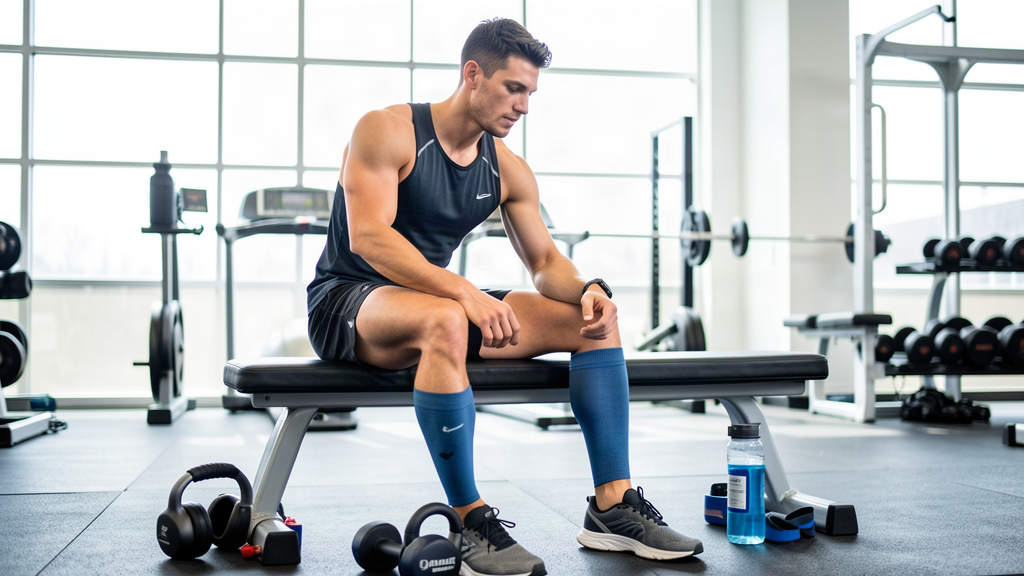
Runners and walkers pound their calves more than any sport makes obvious — every mile is hundreds of eccentric calf contractions absorbing several times body weight. The result is the sport's familiar taxonomy: tight calves, heavy legs, shin splints, and the Achilles complaints that trace back up the chain. Calf recovery isn't luxury maintenance; it's the difference between consistent training and the injury bench.
This guide ranks the best calf massager options by mechanism — compression, percussion, and manual tools — matched to the actual complaints runners and walkers bring, based on specifications and thousands of verified owner reviews from the athletic recovery world.
(As an Amazon Associate we earn from qualifying purchases. We may also earn commissions from brands listed.)
Quick Picks
| Award | Pick | Mechanism | Price tier |
|---|---|---|---|
| 🏆 Best Overall | Air compression boots (sleeve format) | Sequential squeeze | $100–250 |
| 💰 Best Budget | Compression calf sleeves (2-chamber) | Simplified squeeze | $50–80 |
| 🎯 Best Precision | Massage gun + soft attachment | Percussion | $100–300 |
| 🥊 Best Manual | Calf roller/stick | Directed pressure | $15–30 |
| 🧵 Best Wearable | Compression socks (recovery grade) | Graduated pressure | $15–30/pair |
The Runner's Recovery Map: Mechanism to Complaint
| Your complaint | The mechanism that answers it |
|---|---|
| Heavy, swollen legs after long runs | Air compression — drainage work |
| Tight, knotted calves (the classic) | Percussion/roller — tissue work |
| Shin splint recovery phase | Gentle compression + rest + stretching (see below) |
| Achilles/heel-chain tightness | Roller + stretching — precision, gentleness |
| Between-runs daily maintenance | Recovery socks — passive, wearable |
| Post-race weekend reset | Full compression session + roller |
The pattern that matters: compression drains, percussion works tissue, rollers target, socks maintain. A serious recovery kit stacks two or three — a single tool covers one window.
The Picks
1. Air Compression Sleeves — Best Overall
The athletic-recovery gold standard, home-sized: calf-to-foot sleeves inflating chamber-by-chamber in a wave, reproducing the recovery boots that pro locker rooms normalize. For post-long-run leg heaviness, nothing in the home category matches the mechanism — the fluid-movement work is genuine, and owner patterns among runners are the strongest in this guide.
Best for: post-run recovery, marathon training blocks, heavy-leg days. The format guide: best air compression leg massagers. The fit note: Velcro-adjustable formats (Fit King-class, reviewed here) handle different calf shapes better than fixed sleeves.
2. Budget 2-Chamber Sleeves — The Entry Point
The honest $50–80 version: same squeeze principle, coarser wave, fewer modes. The right first purchase for runners testing whether compression recovery earns a place in their routine — and for many, it stays there permanently.
3. Massage Guns — The Tissue-Work Precision
For the runner's other complaint — the knotted, tight calf belly itself — percussion delivers where compression can't: targeted work into specific tight spots, with intensity control. Calf use notes: soft/large attachments, moderate intensity (calves are dense but not armored), and never directly on bone, the Achilles tendon, or any sharp-pain spot. The plantar-adjacent use case is covered in our plantar fasciitis massager guide.
4. The Calf Roller/Stick — The Manual Workhorse
The oldest tool in the kit and still the daily-driver for many: a handheld roller stick or a floor roller worked up and down the calf at controlled pressure. Costs $20, travels anywhere, breaks nothing, and teaches you exactly where your calves hold tension. The technique note: work the muscle belly, avoid sawing directly on the Achilles, and follow with stretching — the foot roller guide covers the related tools.
5. Recovery Compression Socks — The Wearable Layer
Not a machine, but the most-used recovery "device" among distance walkers and runners: graduated compression worn for hours after long efforts (or during travel to races), giving the veins gentle passive assistance while the real recovery happens. See our compression socks analysis for mechanism and honest limits.
Comparison Table
| Pick | Mechanism | Post-run swelling | Knot release | Daily use | Passive | Price |
|---|---|---|---|---|---|---|
| Compression boots | Sequential squeeze | ★★★★★ | ★☆☆☆☆ | Yes | Yes | $100–250 |
| Budget sleeves | 2-chamber squeeze | ★★★★☆ | ★☆☆☆☆ | Yes | Yes | $50–80 |
| Massage gun | Percussion | ★☆☆☆☆ | ★★★★★ | Spot use | No | $100–300 |
| Roller/stick | Manual pressure | ★☆☆☆☆ | ★★★★☆ | Yes | No | $15–30 |
| Recovery socks | Graduated pressure | ★★★☆☆ | ★☆☆☆☆ | All-day | Yes | $15–30 |
The Shin Splint Question (The Category's Most-Searched)
Shin splints — the medial-shin pain of impact overload — deserve their specific framing because massagers get misused here:
- Acute phase: rest and load reduction, not aggressive massage — working an irritated tibial area adds irritation. Gentle compression for comfort is the machine's only role
- Recovery phase: the calf work begins — tight calves are shin splints' classic accomplice, so roller + gentle gun work on the muscle bellies (never the bone line) plus calf stretching is the evidence-consistent routine
- Prevention phase: the real fix — training-load progression, calf strengthening, footwear rotation, surface management
Watch out for: any "massager that cures shin splints" framing — machines support the recovery phase; load management does the actual work.
The Post-Run Recovery Protocol (Machines in Sequence)
- Cool down properly — the 10 easy minutes that start recovery
- Elevate + compression session (15 min) while rehydrating and eating — the drainage window
- Roller or gun work (5 min per calf) on the muscle bellies, followed by calf stretches
- Recovery socks for the evening if the legs were heavy
- Sleep — where the actual repair happens; machines only set the table
The Anatomy Brief: What You're Actually Massaging
The calf is two muscles in one sleeve, and knowing which one is complaining sharpens every tool choice:
- Gastrocnemius — the big, visible twin that crosses the knee: tightens when you run, hill-climb, and skip stretching; the one that "pulls" when you sprint cold.
- Soleus — the deep workhorse that stops at the ankle: tightens from standing all day, sitting long hours with bent knees; the one behind lower-leg stiffness and much Achilles tension.
The practical difference: bent-knee stretches and massage reach the soleus (the knee bend switches the gastroc off), straight-knee work reaches the gastroc. A calf routine that never bends the knees is a half routine — and the bent-knee half is the one most desk workers need most.
The Walker's Version (Not Just Runners)
Walkers get the same mechanisms at lower intensity and different timing — long slow distance instead of repeated impact:
| Complaint | The walker's answer |
|---|---|
| Heavy calves after long charity walks or hiking days | Compression sleeves at the end of the day + elevation |
| Tight soleus from desk-to-trail weekends | Bent-knee stretches + roller work before the walk, not only after |
| Plantar-style arch strain that walks bring | The plantar toolkit — the chain is connected |
| Post-walk soreness (DOMS-style) | Next-day gentle work: light roller, easy walk, compression |
The walker's advantage: less damage to recover from, more windows to recover in — a 15-minute evening routine covers what a runner's body needs an hour for.
Sizing and Placement: The Details That Decide Outcomes
For Compression Formats
Calf circumference at the widest point determines the sleeve — and calf muscles change size between rest and training blocks, so adjustable Velcro formats hold their advantage across a season. Placement: sleeves centered on the calf belly, not slid toward the ankle; the chambers are graduated by design and the graduation works only when the sleeve sits where the chart says.
For Percussion and Rollers
The placement rules that matter: muscle bellies, never bones or tendons — the Achilles gets stretch and gentle compression, not percussion heads. Both heads of the calf get their turn (inner and outer — knots hide on the medial side). Direction: work toward the heart on compression-style passes, any direction on pure tissue work; the body cares more about pressure and duration than arrow diagrams.
Recovery Timing: When Each Tool Earns Its Keep
| Window | What works | What to skip |
|---|---|---|
| First 30 min post-run | Easy walk cool-down, elevation, refuel | Deep gun work on shocked tissue |
| Hours 1–24 | Compression sessions, light roller, stretching | Aggressive new techniques |
| 24–48 h (soreness peak) | Gentle everything — light gun on low, easy movement | Testing max pressure on DOMS |
| Race/long-effort weeks | Consistent routine, nothing new | Experimentation ("nothing new on race day" applies to recovery too) |
The consistent theme in athletic recovery literature: gentle beats aggressive, consistent beats heroic. The weekend warrior's deep-tissue assault is the recovery world's most common self-inflicted setback.
The Honest Limits of Calf Massage
What massage (all formats) can't do: fix training-load errors (the #1 cause of calf complaints), replace sleep (where recovery actually happens), resolve injuries needing diagnosis (the sharp one-spot pain that survives a week deserves a professional's eyes), or stretch for you (the tools work alongside the stretching, not instead). The strongest calf routine in this guide still loses to progressive training design and adequate recovery — the machines are the support cast, and this guide's job is making the support cast excellent.
The Gait-Check Bonus (Free Injury Insurance)
Before blaming calves for being tight, check what they're compensating for: worn-out shoes (dead midsoles shift load angles), sudden surface changes (soft trails to concrete weeks), hill-introduction spikes, and the desk-to-marathon weekend pattern are the classic silent drivers. A five-minute monthly audit — shoe sole wear patterns, training log's sudden jumps, and a honest answer to "what changed?" — prevents more calf complaints than any tool in this guide treats. The best calf massager is sometimes a training-log bookmark.
The Two-Calf Reality Check
Asymmetry is information: one calf chronically tighter than its partner points to gait, training-surface, or shoe-wear patterns rather than massage deficits — the tools in this guide serve both calves equally well and equally poorly when the underlying driver is one-sided. A logged pattern of left-over-right tightness (or pain) across weeks is worth a gait assessment; it's the detail that separates maintenance from a developing problem. Log it, watch it, and let the pattern make the appointment decision — that's the maintenance mindset that keeps runners running, mile after mile, season after season, injury-free where the ambitious burn out — every single year.
FAQ
What is the best calf massager for runners?
For post-run heaviness and recovery, air compression sleeves — sequential compression does the drainage work no other mechanism matches. For tight, knotted calf muscles specifically, a massage gun with a soft attachment or a simple roller stick does the tissue work compression can't.
Are compression boots worth it for runners?
For high-mileage training blocks and post-race recovery, most owners say yes — the heavy-leg relief is consistent and the mechanism (assisting venous return) is the same one pro locker rooms use. For low-mileage runners, the budget sleeve formats or recovery socks cover most of the benefit.
Can massage guns help shin splints?
In the recovery phase, gently on the calf muscle bellies — yes, tight calves are shin splints' classic accomplice. In the acute phase, no — resting the irritated area and reducing training load is the answer, and direct work on the shin line itself is never the tool's job.
How do you release tight calves after running?
The working sequence: gentle warm-up (walk or shower), then roller or soft-attachment gun work on the muscle bellies for a few minutes per calf, followed by sustained calf stretches (straight and bent-knee versions to reach both muscles), hydration, and an elevation or compression session if the legs feel heavy. Consistency beats intensity — daily light work outperforms weekly deep assault.
Do calf massagers help Achilles pain?
Indirectly and carefully: the calf work that relieves tension on the calf-Achilles chain is the helpful part, while direct massage on the tendon itself is generally avoided — Achilles tissue responds to load management and stretching, not percussion. Persistent Achilles pain is a doctor/physio visit; the massager is the support layer.
Compression sleeves or a massage gun after a long run?
Ideally both windows: the sleeves right after the run (drainage while you refuel), the gun or roller in the evening (tissue work on the tight spots). If choosing one — heavy swollen legs want the sleeves; tight knotted calves want the gun.
Comments