title: The Ultimate Guide to Foot Massage meta: The ultimate self foot massage guide: step-by-step techniques, when not to massage, common mistakes, and the best tools from rollers to shiatsu machines.
The Ultimate Guide to Foot Massage
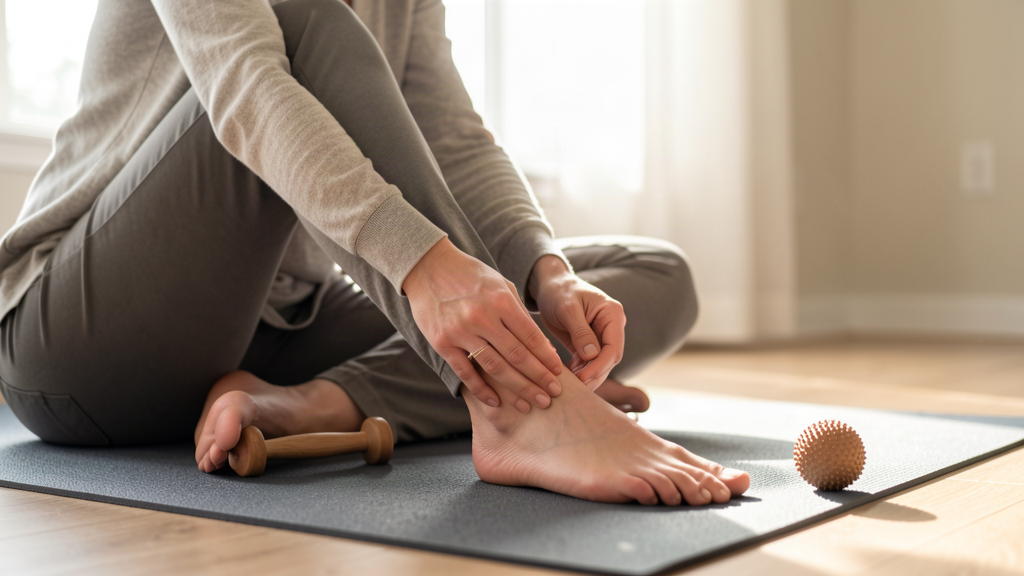
Learning self foot massage is the cheapest foot-care upgrade there is: zero equipment required, five minutes per foot, and relief you can deploy at your desk, on the couch, or in bed. Whether your feet ache from standing all day, running, or cramped shoes, this guide walks through the exact techniques — from a basic sole sweep to arch work — and pairs each with the best powered and manual tools for when hands aren't enough.
This is for anyone who wants practical, do-it-tonight instructions rather than spa brochures — office workers, runners, nurses, travelers, and anyone whose heels throb by dinnertime.
(As an Amazon Associate we earn from qualifying purchases. We may also earn commissions from brands listed.)
When to Massage Your Feet — and When Not To
Good Moments for Self Foot Massage
- After a long standing shift — the classic case; tissue is warm and tired.
- Before bed — many users report falling asleep more easily after a short foot session.
- After a run or workout — pairs well with stretching once you've cooled down.
- During TV time — attach the habit to an existing one for consistency.
- After a warm shower or soak — warm tissue responds best; see our foot spa picks for the soak half of the ritual.
When NOT to Massage Your Feet
- A recent foot injury — suspect a stress fracture, sprain, or torn tissue? Hands off; see a professional.
- Active inflammation or a hot, swollen area — redness, warmth, and swelling mean rest and possibly a doctor, not pressure.
- Numbness or reduced sensation (e.g., some diabetic neuropathy) — you can't feel excess pressure, so burns and pressure injuries become risks. Get medical guidance first.
- Broken skin, athlete's foot, or plantar warts — massage spreads irritation; treat first.
- During a gout flare — the affected joint needs rest, not touch.
Watch out for: pain that worsens with massage is a signal, not a challenge. Correct technique should feel like "hurts so good" at worst, never sharp.
Foot Massage Techniques: Step-by-Step
Set aside 10 minutes: 5 per foot. Sit somewhere your back is supported, and use a small amount of lotion or massage oil if you like (it makes gliding strokes smoother). For the deeper background on styles — Swedish, shiatsu, reflexology — read our explainer on massage types before you begin.
Step 1: Warm the Feet (1 minute)
Sit and pull one foot over the opposite knee. Briskly rub your palms over the whole foot — sole, top, heel — for 30–60 seconds until it feels warm. Warm tissue is more pliable and responsive; cold feet resist every technique that follows.
Step 2: Glide the Sole (1 minute)
Wrap your fingers along the top of the foot and press both thumbs flat into the sole. Glide slowly from the heel to the base of the toes, then back. Repeat 5–8 strokes, gradually adding pressure. This is the foundation move of any foot massage — steady, oily, slow.
Step 3: Work the Arch (2 minutes)
The arch is where desk-shoe fatigue lives. Make a loose fist and roll your knuckles along the arch from heel to ball; or press one thumb deep into the arch and make small circles along its length. Pause wherever you find a tender or "gritty" knot for 10–15 seconds of sustained pressure — those spots are why you're here. Then flex the toes gently back to stretch the fascia while you hold the arch.
Pro tip: if your arches burn or morning heel pain is your main issue, follow this with a golf ball or lacrosse ball roll — seated, moderate pressure, 30 seconds per tender spot. Many users find ball rolling more effective than thumbs for stubborn arch tension.
Step 4: Toe Work (1 minute)
Gently squeeze each toe between thumb and forefinger and slide from base to tip; give each a soft traction pull at the end. Then "walk" your fingers into the gaps between the toes and press the webbing for a few seconds per gap. Cramped toe boxes make this step feel wonderful.
Step 5: Ankle and Lower Leg Finish (1 minute)
Circle the ankle 10 times each direction with your hands. Finish with effleurage — long, sweeping strokes — from the toes up over the ankle and a few inches up the calf, always stroking upward toward the knee. Upward strokes support venous return and leave the leg feeling lighter.
Pro tip: end every session with 30 seconds of slow, deep breathing. It sounds silly, but the nervous system relaxes measurably better when the body is passive at the finish — which is one reason people love the mechanical option of compression or kneading machines.
Common Self Foot Massage Mistakes
- Going too hard, too fast. Deep pressure without warm-up bruises tissue and makes you sore the next day. Warm up, then add pressure gradually.
- Working only where it hurts. The painful heel is usually the victim, not the culprit — tight calves are often the driver. Give calves a few minutes of upward strokes too.
- Massaging over the anterior ankle bone or the top-of-foot tendons with hard pressure. Bony and tendon areas need gentle circles, not thumb-grinding.
- Skipping consistency. One heroic 20-minute session does less than five minutes daily. Habits beat intensity.
- Using ice-cold hands or cold feet. Warm your hands under water first; cold hands on cold feet wastes the session.
When to Upgrade: Tools and Machines
Hands tire, and some knots outmatch thumbs. The upgrade path, cheapest first:
| Tier | Tool | Price (at publish) | Best for | Effort |
|---|---|---|---|---|
| 0 | Your hands | Free | Everything, anywhere | Hands tire fast |
| 1 | Lacrosse or golf ball | ~$5–$10 | Pinpoint arch knots at a desk | Low |
| 2 | Wooden/rubber foot roller | ~$10–$20 | Whole-sole work while seated | Very low |
| 3 | Shiatsu foot massager machine | ~$40–$150 | Deep daily kneading, hands-free | None |
| 4 | Compression boots / leg massager | ~$100–$200 | Heavy legs + feet together | None |
- Lacrosse or golf ball (around $5–$10) — unmatched for pinpoint arch work while seated at a desk.
- Wooden or rubber foot roller (around $10–$20) — TheraFlow-style rollers cover the whole sole hands-free while you read or watch TV.
- Shiatsu foot massager machine (around $40–$150) — rotating nodes and air compression replicate deep thumb work; the biggest time-saver for daily users. Understand the mechanisms in our shiatsu vs compression explainer.
- Compression boots or leg massagers (around $100–$200) — when heavy legs join the complaint; see our leg massager guide for the soak-and-soak ritual pairing.
FAQ
How often should you do self foot massage? Daily is ideal and safe for most people — even 5 minutes per foot before bed adds up. Many users report the best results when it becomes routine rather than an occasional rescue mission. If you have a foot condition or circulatory issues, check with your doctor about pressure and duration first.
What is the best time of day for a foot massage? Evening or before bed is the most popular window: feet are tired, tissue is warm from the day, and the relaxation effect helps many people wind down for sleep. Morning works too if your goal is loosening stiff feet before your first steps.
Can foot massage help with plantar fasciitis? It may help manage the discomfort. Gentle arch and calf work — plus ball rolling — is a common home strategy, and many users report relief from morning stiffness. Massage doesn't address the underlying strain, though; pair it with supportive shoes or insoles, and see a podiatrist if pain persists.
Are foot massage machines better than doing it yourself? They're different tools. Machines deliver consistent pressure for 15–30 minutes without your hands tiring — better for deep, sustained work and daily habits. Hands are more precise, free, and better for targeted small spots. Most enthusiasts end up using both.
Does a foot massage need oil or lotion? Not strictly, but gliding strokes are far more comfortable with a little lotion or massage oil, and it reduces friction on dry skin. Skip oil if you're using a wooden roller or ball, or if you'll put socks on right after.
Is it safe to massage numb or diabetic feet? Extra caution is essential. Reduced sensation means you may not notice excessive pressure or heat. Use gentle pressure, avoid heated tools unless approved by your doctor, inspect feet after sessions, and get professional guidance before starting — this guide is general information, not medical advice.
Comments