Best Foot Massagers for Neuropathy: Nerve-Pain Relief
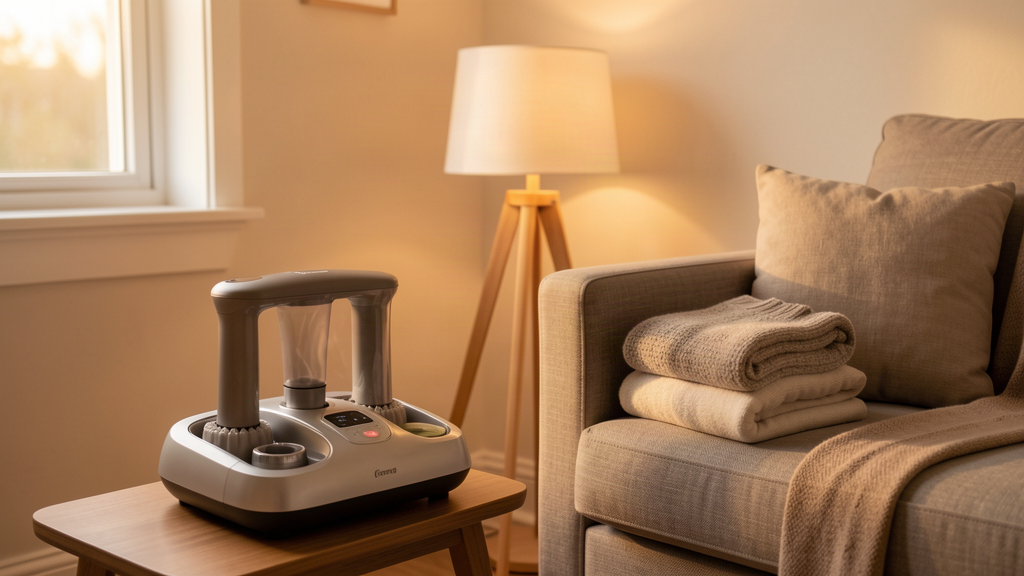
Neuropathy in the feet is a strange, exhausting companion: burning, tingling, pins-and-needles, electric zaps, or patches of numbness — often worse at night exactly when you want rest. It affects millions (diabetes is the most common cause, but not the only one), and the honest state of home care is this: nothing on a store shelf fixes nerve pain — but the right kind of gentle stimulation genuinely helps many people feel more comfortable, sleep better, and keep their routines.
This guide answers the search for the best neuropathy foot massager by ranking the machine types and specific designs suited to sensitive, nerve-irritated feet — and it's as much about what to avoid as what to buy, because the wrong machine (too aggressive, too hot, too jolting) can make symptoms angrier.
Important: neuropathy is a medical condition, not a comfort problem — it needs proper evaluation to find its cause. Everything below assumes you're working with a doctor and looking for comfort tools to complement that care. This is general information, not medical advice.
(As an Amazon Associate we earn from qualifying purchases. We may also earn commissions from brands listed.)
Quick Picks
| Award | Pick | Why it fits sensitive feet |
|---|---|---|
| 🏆 Best Overall | Gentle-mode shiatsu (Miko-class, low settings) | Adjustable everything, soft liner, gentle floor |
| 🌙 Best for Nighttime | Air compression, low pressure | Rhythmic squeeze calms restless feet without pressure spikes |
| 🧦 Best Adjacent Tool | Compression socks | Zero-mechanism comfort many neuropathy patients already rely on |
| 🛋️ Safest of All | Manual roller, seated, light pressure | You are the safety system |
| 🚫 Skip | EMS pads, aggressive kneaders, high heat | See "avoid" table |
What Sensitive, Nerve-Irritated Feet Actually Need
The design priorities invert for neuropathy. For healthy feet, "deep" and "powerful" are features; here they're hazards. What matters instead:
- A gentle floor — the machine's lowest setting must be genuinely soft, because that's the one you'll use.
- Smooth, predictable rhythms — sudden jolts and sharp nodes can set off zaps and burning flares.
3 Adjustable or no heat — warmth helps some neuropathy discomfort, but sensory uncertainty makes high heat a burn risk (the diabetic-foot rules apply: safety-first guide).
- Easy session control — timers and auto-shutoff, because distracted use (falling asleep mid-session) removes your safety layer.
The Picks
1. Gentle-Mode Shiatsu Machines (Miko-Class) — Best Overall
A quality adjustable shiatsu machine at its lowest settings gives nerve-tired feet a slow, warm, rhythmic knead — the experience most often described by neuropathy owners as "distracting the burn" and "quieting the nighttime buzz." The Miko-class design (full review) earns the top slot for its gentle floor, separately controllable heat, and washable liners.
Usage profile: lowest kneading level, heat on low or off, 10–15-minute evening sessions. Many users pair it with the routine in our foot massage techniques guide for wind-down.
Watch out for: intensity experimentation — change one setting at a time, days apart; a "better" session today can mean a flare tonight.
2. Air Compression at Low Pressure — Best for Nighttime
Restless, burning feet at night are the classic neuropathy complaint, and the rhythmic low-pressure squeeze of a compression machine is the most-cited "calming" input — the same reason some neuropathy patients sleep in compression socks. The Fit King-class machines (review, roundup) run multiple pressure programs; the gentlest cycles are the relevant ones.
Usage profile: lowest pressure program, 15 minutes before bed. Consistency matters more than intensity — the rhythm is the feature.
3. Compression Socks — The Zero-Machine Adjacent
Not a massager, but the most-used comfort tool in many neuropathy routines: gentle, even pressure that many patients report calms burning and tingling. Cheap, zero risk of overdoing it, wearable all day. See our compression socks for plantar fasciitis analysis — the mechanisms overlap for nerve-adjacent discomfort.
4. Manual Roller, Seated, Light Pressure — Safest Option
For feet with significant sensory loss, a manual roller under your own hand is the only option with a built-in safety system: you decide every gram. The foot roller roundup covers the good ones. Combine with a daily visual inspection — with reduced sensation, eyes replace nerves as the alarm system.
What to Avoid (This Table Matters More Than the Picks)
| Avoid | Why |
|---|---|
| EMS pads | Their safety depends on feeling the intensity — sensory loss defeats it; and the tingling mechanism can aggravate rather than soothe irritated nerves (full breakdown) |
| Fixed-firm kneaders | No gentle floor; the machine chooses the pressure |
| High heat | Burn risk without warning when temperature sensation is unreliable |
| Sharp "reflexology" spike mats | Uneven pressure on numb patches = injury risk |
| Ice-cold anything | Nerve irritation often dislikes cold as much as heat — extreme temperatures both flare symptoms |
The Evening Routine That Worked for Owners
- Warm (not hot) shower or soak — if temperature sensation is reliable; skip if uncertain (safe soak guidance).
- 10–15 minutes on the gentle machine — lowest settings, no experimentation.
- Light stretch of calves and soles — flexibility work calms the whole chain (techniques).
- Compression socks on — if part of your routine.
- Feet inspected — both feet, every night — the habit that matters more than any machine.
Buying Guide: The Specs That Matter for Nerve-Irritated Feet
Shopping for neuropathy feet inverts normal priorities — here's the checklist in order:
- The gentlest setting is the one you're buying. Test-read reviews specifically for "even the lowest level was too much" — that review disqualifies a machine for this use case regardless of its other features.
- Smooth programs over powerful motors. Look for words like "flowing," "gentle," "soothing" in owner reviews; "intense," "deep," "aggressive" are red flags for your feet even when they're praise.
- Heat: separate control, lowest floor, quick off. If heat isn't independently adjustable, it's a liability rather than a feature.
- Fabric and liners. Soft, washable liners protect fragile skin and hygiene; hard plastic chambers with aggressive texture patterns don't.
- Return policy is a feature. Neuropathy tolerance is individual and unpredictable — buy from retailers with no-questions returns, and treat the first two weeks as a trial.
- Noise level. A loud machine defeats the bedtime wind-down use case — the most common usage window for this condition.
The Tiered Budget Approach
| Budget | What to buy | What you get |
|---|---|---|
| Under $30 | Manual roller + soft spiky ball | Total pressure control, zero risk |
| $60–120 | Gentle-mode shiatsu machine | Convenient evening sessions, adjustable heat |
| $100–180 | Low-pressure compression machine | Nighttime restlessness relief, rhythm-based calm |
| Skip | EMS pads, massage guns, aggressive deep-kneaders | Wrong mechanisms — see the avoid table |
Start at the bottom tier and earn your way up: if the roller becomes a nightly habit, a machine is a justified upgrade; if not, you've spent $25 learning that instead of $200.
Pairing With Medical Care: The Honest Frame
Home comfort tools sit alongside — never instead of — proper neuropathy care. The medical pathway (finding the cause, managing it, medication where appropriate, and monitoring) does the heavy lifting; machines make the evenings and nights livable while it does. The most successful home setups we've seen documented follow a pattern: doctor-guided daytime management, gentle evening machine routine, compression sock layer, and nightly foot inspection. Every element is replaceable except the last one.
Realistic Expectations: What to Hope For
- Realistic: easier evenings, calmer nights, better wind-down routines, and a reliable comfort ritual
- Possible: reduced awareness of burning/tingling during and after sessions
- Not realistic: nerve healing, symptom elimination, replacing medication or medical care
- Red flag: any product page promising the "not realistic" list — close the tab
The Morning Protocol (For Daytime Symptoms)
Neuropathy's night problem gets all the attention, but daytime symptoms — burning with standing, tingling after sitting — follow their own pattern. The morning protocol owners report helpful:
- Before getting up: 60 seconds of gentle ankle circles and toe wiggles in bed — nerve tissue tolerates movement better after a light warm-up, and the first steps of the day land softer.
- Seated breakfast session: 5–7 minutes on the gentle machine (or roller) while coffee brews — low settings, zero ambition.
- Compression socks on before the day starts — if they're part of your routine, morning application beats mid-day rescue.
- Movement snacks: neuropathy feet report fewer daytime flares when long sitting blocks get broken every 45–60 minutes with a two-minute walk — nerves like circulation and gentle use better than stillness.
The pattern is the same as the evening routine, pointed the other direction: small, gentle, rhythmic inputs spread through the day beat one heroic session.
Seasonal Notes (Winter Is the Hard Test)
Cold weather is the classic neuropathy amplifier — many patients report symptoms worsening from the first cold snap. The winter adjustments:
- Warm socks become equipment, not clothing. Wool or thermal socks keep nerve surroundings calm — warmth from outside the body, no heating-device risks involved.
- Machine sessions drift earlier — the pre-bed wind-down becomes the after-dinner main event, doubling as the house's warmth ritual.
- Beware the hot-shower trap: cold feet beg for hot water, and unreliable temperature sensation makes "hot" a burn gamble. Warm — test with a body part that still senses reliably (elbow, wrist).
- Stay active indoors: winter stillness is symptom fuel; a daily indoor walking block matters more from November to March than any machine setting.
Notes for Caregivers
When the routine belongs to a parent or partner with neuropathy feet, the machine choices shift slightly:
- Simplicity beats features. A one-dial machine that gets used daily outperforms a feature-rich unit that confuses. Choose for the operator, not the spec sheet.
- The inspection is shared work. Reduced sensation means eyes must do what nerves can't — a caregiver's nightly look-over is genuinely protective medicine, not just kindness.
- Sit with the session. The wind-down works better as company — the machines calm more when the room does.
What Owners Say About the Long Run
The long-arc pattern from neuropathy owners who kept their machines past year one: the machine doesn't do less over time — the habit does more. The evening session becomes the reliable anchor of a wind-down routine, the nightly inspection rides along with it, and the comfort — modest, honest, repeatable — stays worth the counter space. That's the realistic win this category can deliver, and for a condition that takes everything else, it's not a small one. The machines don't lose their value over the years — the routine that surrounds them keeps paying out, evening after evening, in the only currency neuropathy respects: dependable comfort.
FAQ
Can a foot massager help neuropathy pain?
No machine treats neuropathy — but as comfort tools, gentle massagers genuinely help many people: the rhythmic input can "distract" burning and tingling, ease restlessness at night, and make wind-down routines possible. The evidence is experience-based, the effect is comfort — and for a condition with no home fix, comfort is worth having.
What type of foot massager is best for neuropathy?
A gentle-mode shiatsu machine at its lowest settings, or a low-pressure air compression device — smooth, predictable rhythms with a genuinely soft floor. The machine's most important spec is its gentlest setting, not its strongest.
Should people with neuropathy use heated foot massagers?
Carefully, if at all. Warmth soothes some nerve discomfort, but unreliable temperature sensation turns heat into a burn risk. If your doctor has cleared heat and your temperature sensation is reliable: lowest settings, timed sessions, and a skin check afterward. If either is uncertain, keep heat off.
Are EMS foot massagers good for neuropathy?
No — they're the wrong category. Their safety model assumes you can feel over-stimulation, which sensory loss defeats, and the electrical tingling can aggravate irritated nerves rather than calm them. See our EMS safety breakdown for the full list of reasons.
Can neuropathy feet use vibrating massagers?
Some neuropathy patients tolerate and enjoy gentle vibration, and a smooth low-amplitude machine can be a reasonable experiment at the gentlest setting. High-intensity percussion (massage guns) is a different story: sharp jolts on numb or nerve-irritated feet risk flaring symptoms — approach that category with doctor guidance and extreme gentleness.
What worsens foot neuropathy symptoms?
The recurring triggers: over-stimulation (too deep, too long), temperature extremes (high heat or ice), tight footwear, and neglected blood-sugar or underlying-cause management — plus sitting still too long. The machines that help share one trait: gentle, rhythmic, adjustable input that never tests the feet's limits.
Comments