Foot Powder & Anti-Odor Products: Fresh Steps
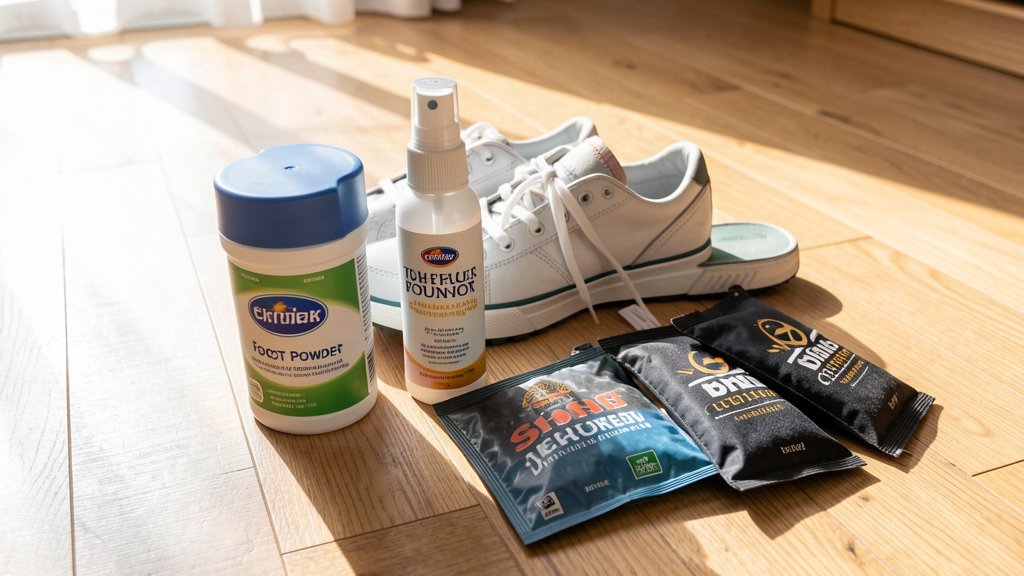
Foot odor is a solved problem. That's the surprising truth — the science is simple (bacteria + sweat + enclosed shoe = smell), the solutions are cheap, and the routine takes ninety seconds a day. Yet millions of people suffer through shoe-off anxiety because the drugstore shelf is a maze of conflicting claims and the internet's advice is a list of folk remedies.
This guide sorts the anti-odor arsenal honestly: what foot powders actually do, which product types genuinely stop smell (and which just perfume it), and the daily system that keeps feet and shoes fresh. Based on ingredient lists, product specs, and thousands of verified owner reviews — no magic, just mechanism.
(As an Amazon Associate we earn from qualifying purchases. We may also earn commissions from brands listed.)
Quick Picks
| Award | Pick type | Price |
|---|---|---|
| 🏆 Best All-Round | Talc/cornstarch moisture powder | $5–10 |
| 💪 Strongest Sweat Control | Antiperspirant foot spray (aluminum-based) | $8–15 |
| 👟 Best Shoe Rescue | Zeolite/charcoal deodorizer pouches | $8–15 |
| 🧦 Best Prevention | Moisture-wicking sock rotation | $10–20/pair |
| 🌿 Best Scent-Plus | Menthol/talc combo powder | $5–12 |
Why Feet Smell: The 30-Second Science
Feet have ~250,000 sweat glands — more per square inch than anywhere else on the body. Sweat itself is odorless. The smell comes from bacteria (mainly Brevibacterium and friends) that live on skin and inside shoes, eat sweat and dead skin, and produce the waste acids that read as "stinky feet."
Three conditions feed the problem: moisture (sweat can't evaporate in shoes), enclosure (dark, warm, unventilated shoes are bacterial paradise), and material (some shoe linings hold moisture and bacteria for months).
Every effective product attacks one of those three. Every useless one just covers smell with fragrance. The buying rule: moisture control beats fragrance, always.
Foot Powders: What They Do and Don't
Powders are the classic — and the most misunderstood category:
| Powder type | Mechanism | Verdict |
|---|---|---|
| Talc-based | Absorbs moisture, reduces friction | The honest default — works |
| Cornstarch-based | Absorbs moisture | Works; slightly less durable, more natural |
| Baking-soda based | Absorbs moisture, mild odor neutralizing | Cheap and effective |
| Medicated (menthol/tolnaftate) | Moisture + cooling + antifungal | Good for odor-plus-athlete's-foot |
| Scented "luxury" powders | Mostly fragrance | The trap — perfume over mechanism |
How to use powder correctly: apply to clean, DRY feet — a light dusting on soles and between toes, then into the shoe itself for the day. Reapply after workouts. The common mistake is pouring it over damp feet (paste, not powder) or using it to rescue already-wet shoes (too late — that's the pouches' job).
Antiperspirant Foot Sprays: The Stronger Weapon
Here's the category most smell-sufferers never try: the same aluminum-salt chemistry that stops underarm sweat works on feet. Foot-specific antiperspirant sprays reduce sweating itself — attacking the moisture at its source rather than absorbing it afterward.
The evidence-backed pattern: for genuinely sweaty feet (the sock-soaking kind), antiperspirant sprays outperform every powder — because less sweat means less bacterial fuel. Applied nightly at first (then every few days), most owners report meaningful reduction within a week or two.
Watch out for: applying to broken or irritated skin, and expecting instant results — aluminum antiperspirants take a week of consistent use to calibrate sweat ducts down.
Shoe Deodorizers: Rescuing the Smell Holders
Shoes are the smell bank — linings and insoles hold bacteria and moisture long after feet leave. The rescue options, honestly ranked:
- Zeolite/charcoal pouches — the quiet winners: absorbent mineral pouches left in shoes overnight neutralize odor and pull moisture. No residue, reusable for months, dirt cheap. The single best shoe-side product.
- Spray deodorizers (fabric-safe antibacterial sprays) — kill bacteria in linings; effective between wears, quick to apply.
- Insole replacement — the radical reset: when insoles are past saving (months of saturation), fresh insoles plus pouches restart the shoe's hygiene clock.
- UV shoe sanitizers — the premium option: genuinely kill bacteria with UV light; worth it for athletes and chronic sufferers, more than most people need.
- Freezer "folk remedy" — freezing kills surface bacteria briefly but doesn't touch the moisture-soaked lining; the smell rebounds. Skip it.
The Sock Layer: The Cheapest Fix in the Guide
Socks are the most under-rated anti-odor product because they're not marketed as one:
- Moisture-wicking synthetics or merino move sweat off skin — starving bacteria at the source. Cotton socks absorb and hold sweat against skin: the bacteria buffet.
- Rotation discipline: never wear the same pair two days running (damp fibers need 24+ hours to dry fully), and give shoes an air-day between wears when possible.
- The workout rule: athletic shoes and socks get changed immediately after training — sitting in damp socks is the classic foot-odor accelerant.
The Daily Fresh-Feet Routine
| Moment | Action | Product |
|---|---|---|
| Morning (30 sec) | Light powder on dry soles and toes | Talc/cornstarch powder |
| Morning (30 sec, sweaty feet) | Antiperspirant spray, every 2–3 days | Aluminum foot spray |
| Before work | Moisture-wicking socks | Merino/synthetic |
| Shoe off at home | Air shoes + pouch in overnight | Zeolite pouches |
| Post-workout | Immediate sock/shoe change | Spare pair |
| Weekly | Spray shoe interiors, rotate pairs | Fabric-safe antibacterial |
Total cost of the full system: roughly $30–40, lasting months. Total time: about two minutes a day.
For the surrounding layers that make odor control easier — the soak that resets skin (soak recipes) and the shoe choices that breathe better (the footwear logic covers breathable uppers) — the routine compounds: each layer reduces the work the next one has to do.
When Odor Signals Something More
Persistent odor sometimes isn't a hygiene problem:
- Athlete's foot — the fungal infection that comes with itching, peeling, or cracked skin; odor improves only when the fungus is treated (OTC antifungals, consistently, for the full course — routine guide)
- Pitted keratolysis — the bacterial infection causing pitted, white-soled, intensely smelly feet; needs specific treatment — a doctor or dermatologist visit resolves what no powder can
- Sudden change in smell — a new, different, or worsening odor profile deserves a professional look, especially with any skin changes
This article is general information, not medical advice — the conditions above are why "nothing works" cases should end at a doctor's office, not a bigger powder.
The Gear Adjacent: Insoles and Breathability
Two non-powder levers compound the system: moisture-managing insoles (the antimicrobial-topcloth versions actively fight the bacteria camp) and breathable shoe materials — mesh uppers and leather both outperform sealed synthetics. The insole layer does double duty for the arch-support crowd too (the insert logic).
When to Replace Rather Than Re-Treat
The honest sunset rule: shoes past their odor-event horizon — six-plus months of daily wear with saturated linings — reach a point where no pouch or spray recovers them. The economics flip at that point: $8 deodorizers delaying the inevitable versus $60 shoes with a fresh hygiene clock. Rotate the replacement: new insoles buy a month, new shoes buy a year.
FAQ
What is the best foot powder for odor?
A talc or cornstarch-based moisture-absorbing powder (optionally with menthol) — the mechanism is moisture control, not fragrance. Scented "luxury" powders mostly deliver perfume; check the ingredient list for actual absorbents.
Do foot antiperspirant sprays really work?
Yes — aluminum-based foot sprays reduce sweating at the source, and for genuinely sweaty feet they outperform powders. Expect a week or two of consistent nightly use before the effect calibrates, then maintenance every few days.
How do I stop my shoes from smelling?
Overnight zeolite or charcoal deodorizer pouches (neutralize odor and pull moisture), antibacterial fabric spray between wears, insole replacement when linings are saturated, and rotation so each pair airs 24 hours — plus treating the feet inside them, since fresh shoes plus smelly feet resets to zero quickly.
Is baking soda good for foot odor?
As a cheap moisture absorber and mild neutralizer, yes — light dustings in shoes overnight (shake out before wearing) genuinely help. It's the budget version of the pouch approach, with more mess.
Why do my feet smell even after washing?
Because the bacteria live in the shoes, not just on skin — freshly washed feet back into bacteria-loaded linings re-smell within hours. The fix is two-sided: treat feet (powder/antiperspirant) and shoes (pouches, spray, rotation) at the same time.
When is foot odor a medical problem?
When it persists despite a real hygiene routine, comes with itching, peeling, pitting, or skin changes (athlete's foot or pitted keratolysis need actual treatment), or changes suddenly in character — those are dermatologist or doctor conversations, not bigger powder purchases.
Comments